Affiliate disclosure: This page contains paid links. As an Amazon Associate I earn from qualifying purchases.
Groin protection is simple in purpose but highly dependent on fit, support, sport, and rules. A protector that shifts, pinches, restricts the hips, or creates a hard leverage point can distract the athlete and create a problem for training partners.
Quick answer: Ask the coach what is required for class, sparring, and competition. For striking practice, choose a system that remains centered through stance and rotation. For grappling, verify whether a hard cup is permitted before buying or wearing one.
Match the Protector to the Sport
| System | Typical use | Main consideration |
|---|---|---|
| Athletic cup and jockstrap | General striking and sports use | Secure support and correct cup profile |
| Cup and compression shorts | Athletes who prefer broader garment coverage | Pocket must prevent rotation and shifting |
| Boxing no-foul protector | Boxing competition and sparring contexts | Bulk, event rules, and fit around hips and abdomen |
| Soft protector | Rulesets or drills where a hard shell is unsuitable | Different protection level and sport approval |
Compare athletic cup systems and boxing protectors only after checking the rules.
Research-Based Groin Protection Picks
These picks cover two different support approaches. We have not personally impact-tested them. Confirm the complete system, sizing method, return policy, and sport rules before use. Some grappling rules prohibit rigid cups.
Diamond MMA Athletic Cup: Soft-Rim Cup Option
The Diamond MMA listing emphasizes a soft rim and use in high-impact and combat sports. It is the candidate for readers comparing a dedicated athletic cup system, but the cup still needs a compatible support garment that prevents rotation.
Check the current Diamond MMA cup listing on Amazon (paid link)
Venum Challenger Groinguard and Support: Included-Support Option
The Venum Challenger listing pairs the protector with its support system. It is useful for readers who prefer components sold together rather than matching a separate cup and garment. Check the current measurement guide and permitted use with the coach.
Check the current Venum Challenger listing on Amazon (paid link)
Check Rules Before Features
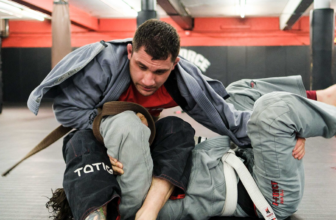
Requirements differ among boxing, kickboxing, Muay Thai, MMA, wrestling, and Brazilian Jiu-Jitsu. Some gyms require protection for certain striking drills. Some grappling organizations prohibit rigid cups because the shell can become a hard fulcrum against a partner during submissions or positional work.
Ask the coach what belongs in normal classes and sparring. For competition, verify the current organizer’s written rules instead of relying on a product listing that says “competition approved.” Approval is specific to an organization and event.
Fit Is More Than Waist Size
Use the manufacturer’s measurement method and confirm whether the chart refers to waist, hip, garment, or body dimensions. A cup should cover the intended area without leaving a large gap, pressing painfully into the body, or riding upward during movement.
Test the complete system through stance changes, squats, lunges, hip rotation, knees, level changes, technical stand-ups, sprawls, and controlled ground movement appropriate to the sport. It should remain centered without constant adjustment.
- Too loose: the cup rotates, lifts, or separates from the body.
- Too tight: edges pinch, straps dig in, breathing or hip movement is restricted.
- Wrong shape: coverage looks adequate when standing but fails during squat, rotation, or seated positions.
The Support Garment Matters
A strong shell cannot work as intended if the jockstrap, compression short, or pocket lets it move. Check strap width, stitching, elasticity, pocket closure, and whether the garment keeps the shell in the same position during footwork.
Compression shorts can feel familiar and provide coverage, but some pockets are too loose for combat-sport movement. Traditional jockstraps may hold the cup closer but expose more skin and can create pressure if straps twist. The better option is the one that remains stable through the actual session.
If buying the components separately, confirm the cup and support garment are designed to work together. Similar-looking shells can have different profiles and may not sit correctly in a generic pocket.
Hardness Is Not the Only Protection Signal
More rigid does not automatically mean better for every setting. A useful protector must distribute force, remain positioned, avoid sharp edges, and comply with the rules. Very bulky equipment can interfere with stance and grappling; very narrow equipment may sacrifice coverage.
Product claims cannot guarantee protection from injury. Protective equipment reduces risk but does not make uncontrolled contact acceptable. Agreed intensity, good coaching, and partner awareness still matter.
Hygiene and Replacement
Choose a system that can be disassembled or cleaned according to clear instructions. Wash the support garment after each use. Clean the shell as directed and dry every component fully before storing it.
Do not share personal groin protection. Replace cracked, warped, rough, or discolored shells when the manufacturer recommends it, and replace stretched garments that no longer hold the cup in position. Stop using any setup that develops a sharp edge.
Groin Protector Buying Checklist
- Confirm gym, sparring, and competition rules.
- Select the system for striking, boxing, grappling, or mixed use.
- Use the manufacturer’s measurement method.
- Test stance, rotation, level changes, and ground movement.
- Confirm shell and support garment compatibility.
- Choose components that can be cleaned, dried, and replaced.
Explore our other combat sports gear guides before building the rest of your training kit. Buy for stable fit and the actual rules, not for the most intimidating shell. Equipment that stays in place and lets the athlete move normally is more useful than protection that must be adjusted every round.